
How Long a Wood Fence Lasts in Alabama Humidity
A sealed, well-built wood fence in Athens typically runs 15 to 20 years; an unsealed one runs closer to 8 to 12.
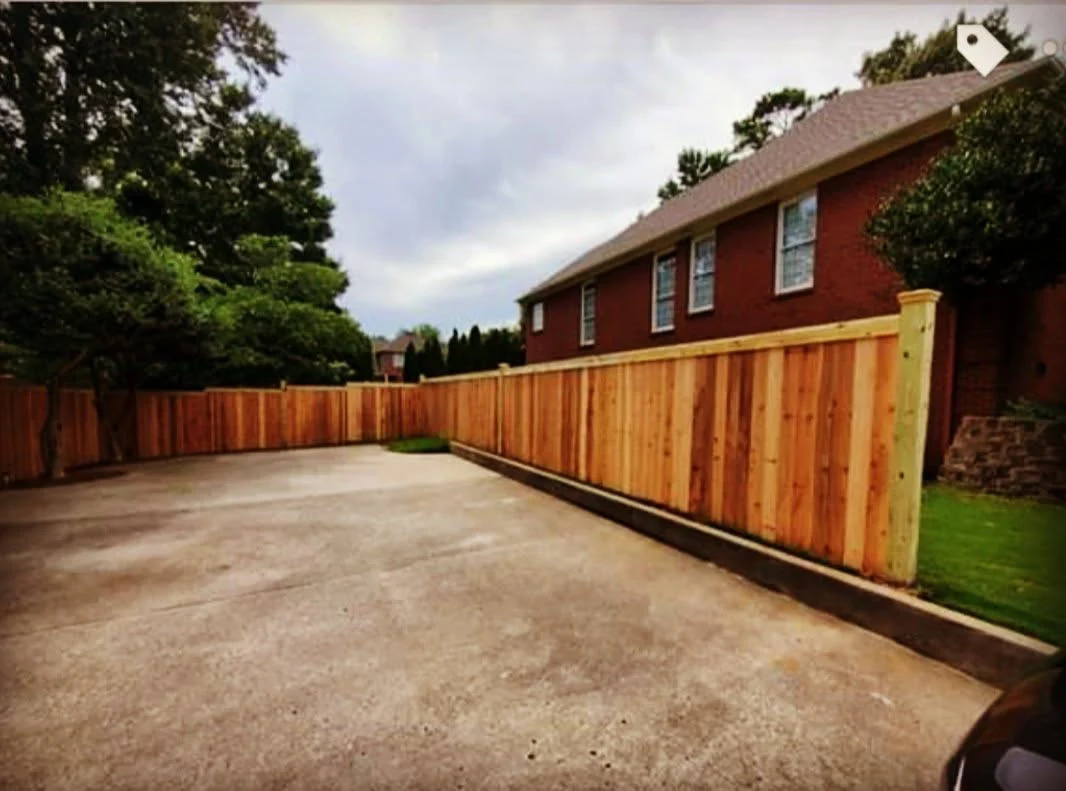
A sealed, well-built wood fence in Athens typically runs 15 to 20 years. An unsealed one runs closer to 8 to 12, since Alabama humidity drives the swell-and-shrink cycle that starts rot at the post line.
Posts decide how long a wood fence lasts here, not the pickets. Boards weather in plain sight and get all the attention, while the part that actually ends the fence is buried and invisible until the run starts leaning.
Why the post goes first
A wood post rots at one specific place: the line where it meets the soil. Below that line there is moisture but little oxygen. Above it there is oxygen but the timber dries. At the boundary the wood gets both at once, which is exactly what fungus needs, so decay concentrates in a band a few inches either side of grade.
That is why a fence can carry perfectly sound pickets and still be finished. Push on a leaning section and the post snaps at ground level while the boards above stay intact.
The order things fail in
- Posts at the grade line. The failure that ends the fence.
- Bottom rails and the lowest boards. Closest to splash and ground moisture.
- Fixings. Nails and screws work loose as the timber moves through wet and dry cycles.
- Pickets. They grey, cup and split long before they stop doing their job.
Cedar or pressure treated pine
Pressure treated pine carries preservative forced into the board under pressure, which is what fights rot and insects. Cedar brings its own oils and needs no chemical treatment. Both hold up in north Alabama humidity, and neither is immune at the ground line.
The practical difference over time is movement. Cedar holds a straighter line, while pine that was fastened down before it had dried will cup and twist as it gives up moisture. That is a reason to let pine settle before anything goes on it.
What actually changes the number
| Shortens the life | Extends it |
|---|---|
| Boards and posts in direct soil contact | A gravel or concrete mow strip keeping timber off the ground |
| Sprinkler heads throwing water onto the boards daily | Redirecting spray away from the fence line |
| Mulch or soil piled against the bottom rail | Keeping beds pulled back off the fence |
| Heavy shade that holds damp after rain | Clearing growth so the run dries out |
| No finish, so the wood cycles wet and dry | A maintained semi transparent stain |
| Wood posts set shallow or in bare soil | Posts below the frost line in concrete, or galvanized steel posts |
Most of the left column is site conditions, not fence quality. A well built fence with a sprinkler watering it twice a day will not outlast an average fence that stays dry.
The one test worth doing
Sprinkle water on the boards. Beading means the finish is still working. Soaking straight in means the wood is drinking, and it is due for another coat. That single check beats any maintenance calendar, because it reads the fence in front of you instead of an average.
While you are there, push the posts. Any movement at ground level is the warning that matters, and catching it early means resetting one post instead of rebuilding a run. Our staining and sealing page covers what to put on and when.
Steel posts change the arithmetic
Galvanized steel posts sleeved into a wood fence remove the rot point altogether. The boards still weather and still get replaced eventually, but the structure underneath stops being the thing that fails. It costs more on day one and it moves the failure from the post back to the pickets, where replacement is cheap.
Repair or replace
A handful of failed posts in an otherwise sound fence is a repair. Posts going down the whole line, or boards soft everywhere at once, means the fence has reached the end. Our fence repair page covers how we judge which one you are looking at.
Free on-site estimate
We measure at your property and put the price in writing. No obligation.
Frequently Asked Questions
How often should a wood fence be sealed in Alabama?
Every two to three years to get the full 15-to-20-year lifespan out of the fence. Skipping this cuts the realistic lifespan closer to 8 to 12 years.
Cedar or pine for a longer-lasting fence?
Cedar resists rot better naturally, which matters more in humid climates. Pine sealed on the same schedule closes most of that gap at a lower material cost.
Do steel posts make a wood fence last longer?
They remove the rot point at the soil line, which is where wood posts fail. The boards still weather and get replaced in time, but the structure underneath stops being what ends the fence.
Does shade shorten a wood fence life?
It can. A shaded run holds damp for longer after rain, which feeds mildew and rot in the boards nearest the ground. Keeping timber clear of the soil and maintaining a finish both help.
Related: Wood Fencing | Fence Staining & Sealing
Planning a Wood Fence?
Call (256) 510-8095 for a free estimate built to last in Alabama weather.